
BRICS+ Arbitration Academy initiative: RIAC 2026
21.09.2026
 1 / 2
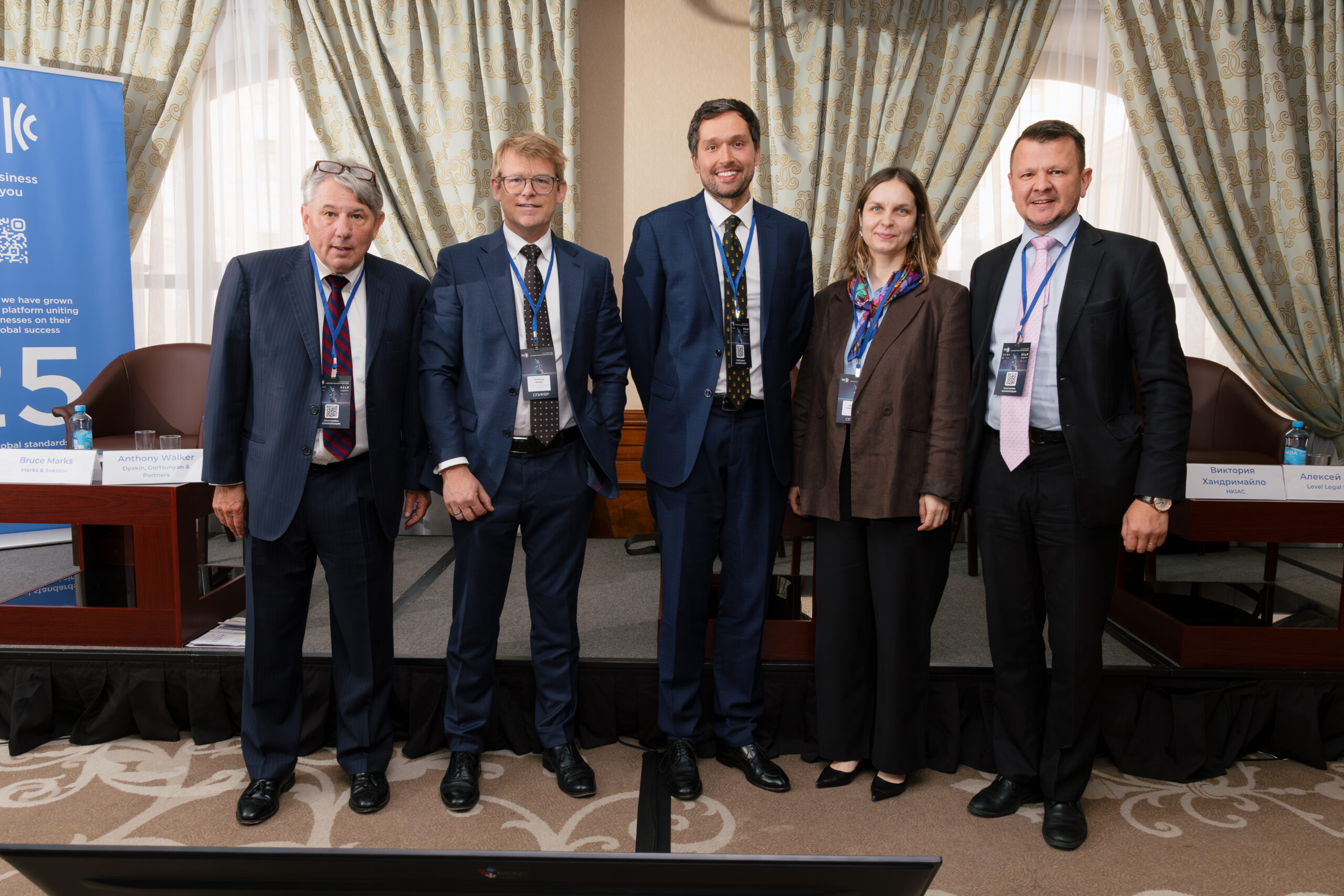
As part of the Russian International Arbitration Congress, the ICC held a conference entitled “The Anatomy of a Cross-Border Dispute.” During a session dedicated to the inner workings of arbitration, speakers explained why Russian businesses choose the Hong Kong International Arbitration Centre (HKIAC) to resolve disputes and presented statistics on the institution’s work. Experts also discussed how US lawyers have been able to continue working with Russian clients, including those subject to sanctions, and examined the initiative to establish the BRICS+ International Arbitration Academy, whose primary objective is to train a new generation of international arbitration professionals.
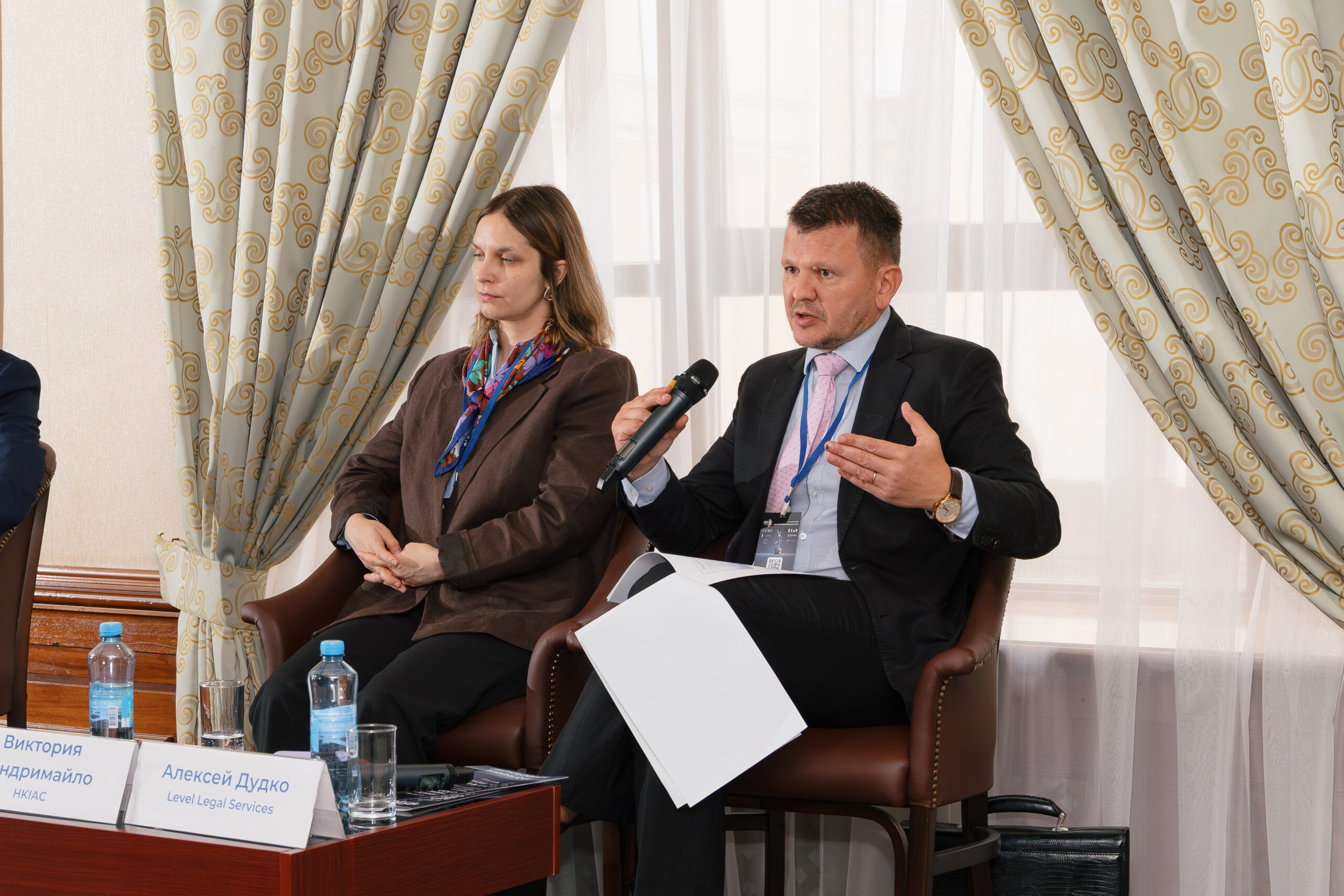
Alexei Dudko, Senior Partner and Head of Dispute Resolution and Investigations Practice at LEVEL Legal Services and Co-Chairman of the Steering Committee at BRICS+ Arbitration Academy, spoke about the launch of the BRICS+ International Arbitration Academy at the Russian International Arbitration Congress (21–27 September 2026).
He noted that the quality of arbitration depends on the quality of the arbitrators involved. In his view, international arbitration is currently facing a serious crisis: sanctions have become a kind of cancer that creates insurmountable obstacles throughout the process. Many arbitral institutions prefer to ignore the issue of potential bias when appointing arbitrators from jurisdictions considered unfriendly, while only a few, such as HKIAC, are taking steps towards adopting neutral rules. However, isolated measures are not enough; what is needed is systemic transformation, Dudko argued.
“The BRICS+ International Arbitration Academy, launched by the Association of Lawyers of Russia and the Russian Arbitration Association, is a response to this challenge. The concept, endorsed in the New Delhi Declaration II of the BRICS+ Legal Forum, prioritises direct professional connections among lawyers and arbitrators from BRICS countries over purely institutional structures. The Academy aims to create a sanctions-neutral environment and break the vicious circle faced by young arbitrators who cannot secure appointments without prior experience,” Alexei noted.
Alexei emphasised that the Academy is a two-year, practice-oriented programme designed for experienced legal professionals. It is based on the model of successful international arbitration academies but adapted to the realities of the current environment.
The Academy plans to hold a series of workshops at key arbitration centres across BRICS: from Shanghai and St. Petersburg to Istanbul, Dubai, Hong Kong, Kuala Lumpur, Mumbai and Cairo.
Participants will work through the entire arbitration process, from filing a claim and issuing procedural orders to drafting a final award. The programme will also address issues related to the use of artificial intelligence and new disclosure standards.
Alexei concluded by inviting experienced practitioners to join the initiative and contribute to the systematic transformation of the arbitration landscape by building a professional community in which the administration of justice is protected from political risks.
Be part of the conversation
For programme enquiries, partnership ideas and Academy news, contact academy@bricsarb.org
Contact us